Rules for safe ride on bicycles, rollers, skates, scooters

American Academy of Pediatrics guidelines for safe use of bicycles, skateboards, hoverboards, roller skates, etc.
Insect Bite and Repellant Safety Tips from the American Academy of Pediatrics

Keep your family safe from injury, itches and insect-transmitted disease this summer by following these tips from the American Academy of Pediatrics (AAP).
AAP recommendations on the safety of playgrounds
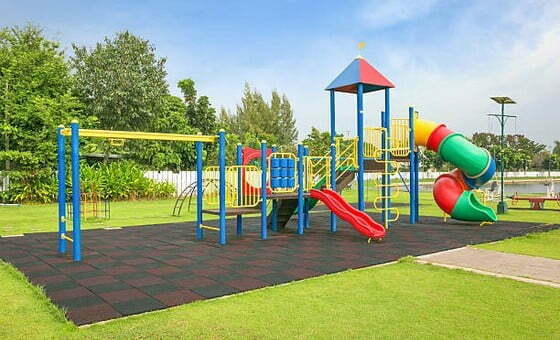
Safety of children’s playgrounds.
Fat-soluble vitamin deficiency in pediatric patients with chronic liver disease

Nutritional deficiencies have become a common problem among patients with chronic liver disease (CLD) and may easily be underestimated by clinical appearance alone; they negatively impact the neurocognitive development and growth.
Sepsis-like state in newborns due to parvovirus infection
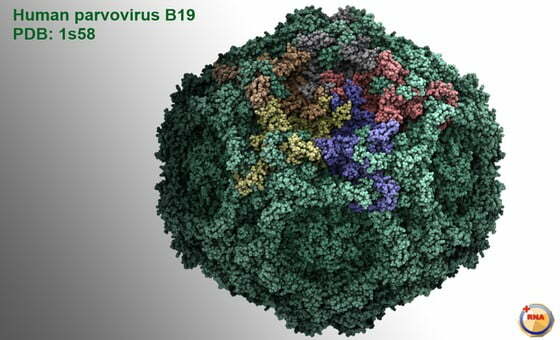
Parvovirus B19 (PB19) is an important human pathogen that results in a wide spectrum of clinical outcomes, from mild, self-limiting erythema infectiosum in immunocompetent children and arthralgia in adults to lethal cytopenia in immunocompromised patients and intrauterine fetal death.
How To Remove A Tick

Reassurance: Most tick bites are harmless. The spread of disease by ticks is rare. If the tick is still attached to the skin, it will need to be removed. Covering the tick with petroleum jelly, nail polish, or rubbing alcohol doesn’t work. Neither does touching the tick with a hot or cold object.
Know myths, facts about Lyme disease
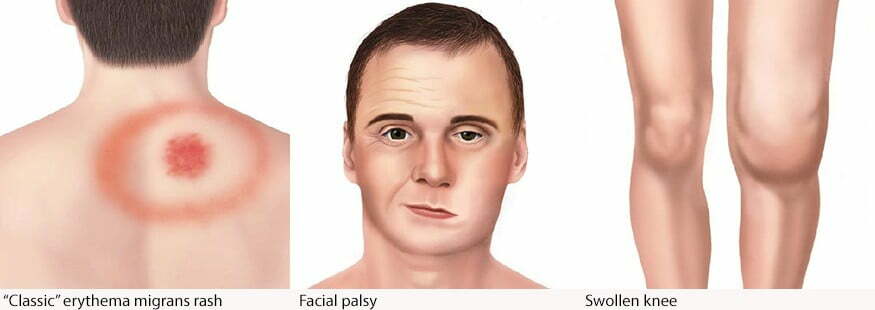
When parents hear the word “tick,” another four-letter word often pops into their head: Lyme.
Travelers’ Diarrhea: New Guidelines for Prevention and Treatment (2)
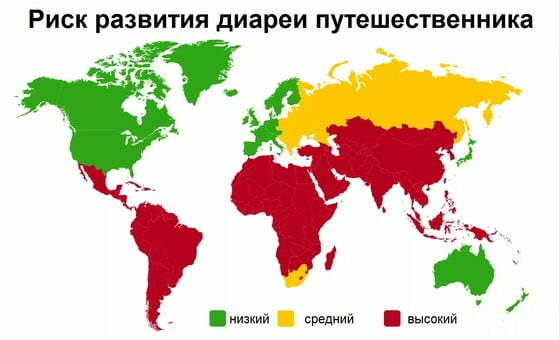
Travelers’ diarrhea is the most predictable travel-related illness and affects 30%-70% of international travelers, depending on destination, season of travel, and other factors.
Management of Common Infections With Antimicrobials Guidance Clinical Practice Guidelines (2019)
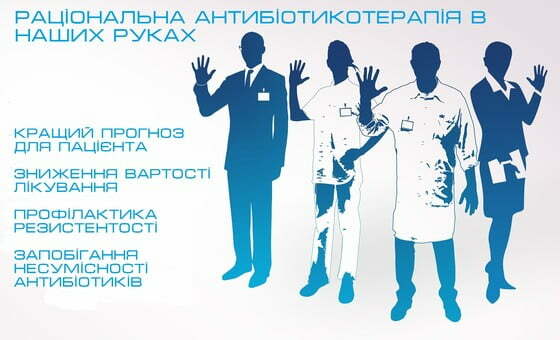
Management of common infections with antimicrobials guidance clinical practice guidelines were released in February 2019 by the National Institute for Health and Care Excellence (NICE).
Prevent snake bite and action on it
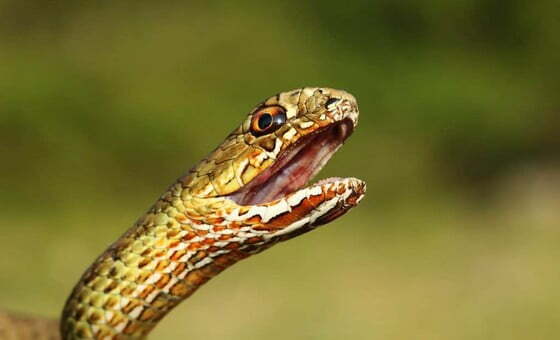
Steering clear of snakes is your best way to avoid being bitten by a snake. That’s not completely practical if you enjoy being outdoors. The next best you can do is recognize when snakes are active and learn how to best limit your exposure to them.